Texas OnSite CPR Blog | Return to Blog Index
Can I Take Pediatric CPR and First Aid Certification Online in Texas?
May 7, 2026
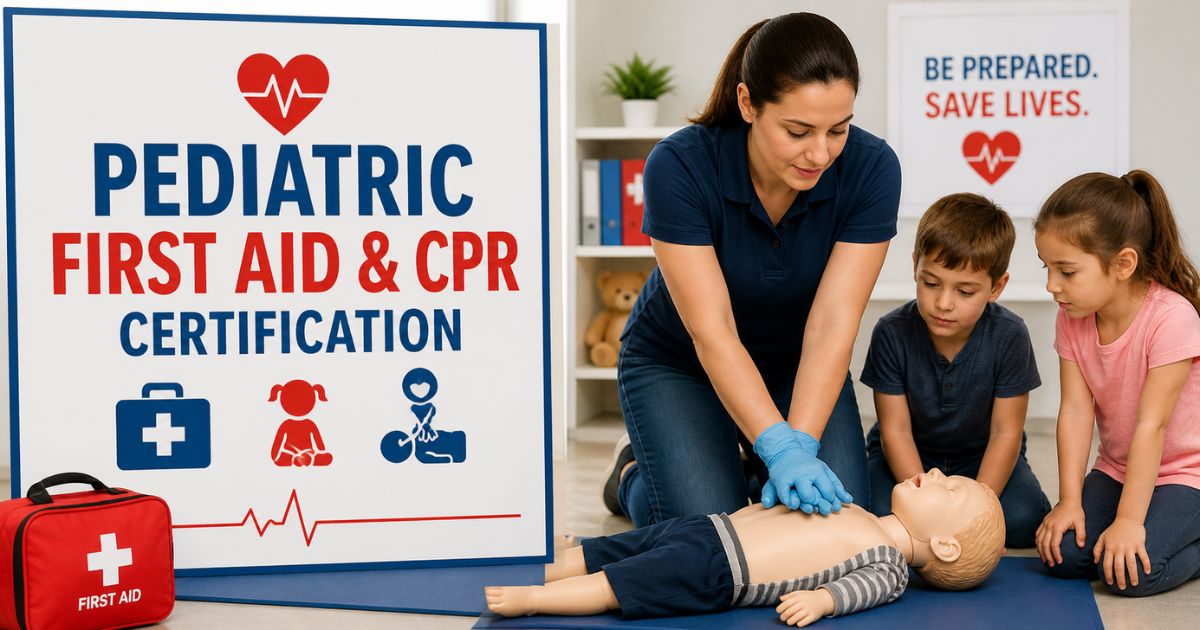
This blog explains whether you can take pediatric first aid and CPR certification in Texas online and what the rules are in simple terms. It also covers pediatric first aid and CPR classes in Texas, who should take them, and why hands-on training still matters. The guide helps parents, teachers, and caregivers choose the right CPR training option confidently.
From playgrounds to classrooms, children spend most of their time in active environments. While this supports growth, it also brings small risks. That is why more parents and caregivers are now considering pediatric first aid and CPR classes Texas to build confidence in handling unexpected situations.
These skills help adults stay calm, respond quickly, and take the right steps during emergencies involving children, making everyday environments safer and more prepared for critical moments when quick action truly matters.
This guide explains everything in simple terms so you can make a clear decision.
What Pediatric CPR and First Aid Training Really Means
Pediatric CPR and first aid training focuses on helping infants and children during emergencies. It teaches simple but important skills like:
- CPR for infants and children
- Choking relief steps
- How to check breathing and response
- Basic first aid for cuts, burns, or injuries
- When to call emergency services
The main goal is not to turn you into a medical expert. It is to help you stay calm and act quickly when a child’s safety is at risk. This type of training is especially useful for parents, babysitters, daycare workers, teachers, and anyone responsible for children.
Can Pediatric CPR and First Aid Be Taken Online in Texas?
Yes, but with limits. In Texas, you can often complete the theory or learning portion online, but most official certifications require a hands-on skills check. This means:
- Online learning covers lessons, videos, and instructions
- In-person or blended training is needed for skill testing
- Full certification is usually not 100% online
This is because CPR is a physical skill. Watching videos is helpful, but practicing compressions on a training manikin is what builds real confidence. So, while online classes help you understand the basics, hands-on training is still an important part of certification.
Why Hands-On Training Still Matters
Even though online learning is flexible, CPR is not just theory. It is a skill you may need to use in seconds.
Hands-on training helps you:
- Learn correct hand placement
- Apply proper compression depth and speed
- Practice real emergency response
- Build muscle memory
- Reduce panic during real situations
When a child is in danger, there is no time to search for steps. Practice helps you react faster and more confidently.
Pediatric First Aid and CPR Certification Texas: What to Expect
Most certification programs in Texas follow a blended format. This includes both learning and practice.
A typical course includes:
- Online lessons or classroom instruction
- Instructor demonstrations
- Practice on training manikins
- Skills testing for certification approval
After completing the course, you receive a certification card. This card is usually valid for about two years, depending on the provider and guidelines. Many employers, schools, and childcare centers may require this certification as part of their safety standards.
Pediatric First Aid and CPR Classes Texas: Who Should Take Them?
Pediatric first aid and CPR classes are designed for anyone who cares for or works with children. They are especially useful for parents, teachers, daycare staff, babysitters, coaches, camp counselors, and healthcare students. Children can face sudden emergencies like choking, falls, or breathing issues at any time.
When trained adults are nearby, response becomes faster and safer. This kind of training helps improve confidence and ensures better care during critical situations where quick action can make a real difference.
Online vs In-Person Training: What’s Better?
Both formats have benefits, but they serve different purposes.
Online Training
- Easy to access from home
- Flexible timing
- Good for learning theory
In-Person Training
- Real hands-on practice
- Direct instructor guidance
- Better confidence building
- Required for many certifications
In most cases, a blended option is the most effective. It combines online learning with practical skill training.
Why CPR Training Is So Important for Children
Children are active and curious, which sometimes leads to unexpected accidents. Common emergencies include choking, falls, breathing problems, and allergic reactions. In these situations, quick CPR can help restore breathing, while basic first aid can reduce the impact of injuries.
Fast action also lowers the risk of serious complications. Even a few minutes of delay can change the outcome in critical cases. That is why being prepared and knowing what to do in those first moments is so important for anyone caring for children.
Being Ready When It Matters Most
Children learn, play, and explore every day, which also means minor injuries or sudden emergencies can happen without warning. Because of this, more people are turning to pediatric first aid and CPR certification Texas to build confidence in handling such situations. The training teaches simple but life-saving steps in a clear way.
With Texas OnSite CPR, the learning experience is practical, easy to follow, and focused on real situations. It helps parents and caregivers feel ready, stay calm, and respond quickly when a child’s safety depends on fast action and clear thinking in critical moments.
Read Also: What Are the Differences Between Pediatric and Adult CPR Certification?
FAQs
1. Can I take pediatric first aid and CPR certification Texas fully online?
No. Most pediatric first aid and CPR certification Texas programs include online learning, but you also need a hands-on skills test for full certification.
2. Who should join pediatric first aid and CPR classes Texas?
Pediatric first aid and CPR classes Texas are ideal for parents, teachers, daycare staff, babysitters, coaches, and anyone who cares for children.
3. Do I need a medical background to take CPR training?
No. CPR training is made for beginners and everyday people. You do not need any medical background. It is designed to be simple, clear, and easy to follow.
4. How long does pediatric CPR certification last in Texas?
Most pediatric CPR certifications in Texas are valid for about two years. After that, you need to take a renewal course to keep your certification active and skills updated.
5. What skills are taught in pediatric CPR and first aid classes?
You learn child CPR, infant CPR, choking response, basic first aid, and how to handle emergency situations calmly.
Texas OnSite CPR Blog - Return to Blog Index

Thomas McMillan
Thomas McMillan is the founder of Texas OnSite CPR, dedicated to providing life-saving CPR and first aid training across Texas. With years of experience in emergency response and certification instruction, Thomas is passionate about equipping individuals and organizations with the skills needed to respond confidently in critical situations. His commitment to quality training ensures that every student leaves prepared to make a difference when it matters most.



 FORT WORTH