Texas Onsite CPR Blog | Return to Blog Index
Who Should Take CPR Classes and How Often Should You Renew Your Certification?
November 20, 2025
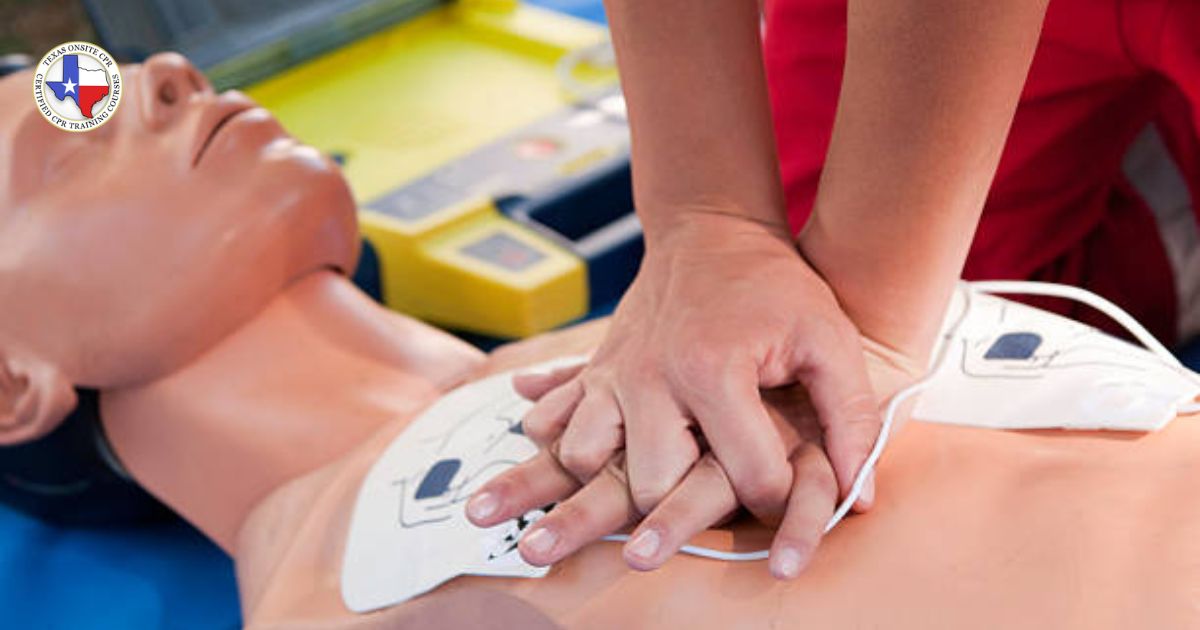
Cardiac emergencies can happen anywhere: at work, at home, or even while you’re out grabbing lunch. Knowing CPR could mean the difference between life and death. That’s why taking a CPR class is one of the smartest things you can do. It’s a skill that empowers you to act fast and confidently when seconds truly matter. Whether you’re a parent, teacher, nurse, or simply a good neighbor, CPR training helps you be ready for anything.
If you’re looking for CPR classes in McKinney, Texas, OnSite CPR offers expert-led sessions designed for real-world situations. But before signing up, let’s break down who should learn CPR and how often you should refresh your certification.
Who Should Take CPR Classes?
You don’t need to work in healthcare to learn CPR. In fact, almost everyone can benefit from it. Emergencies don’t wait for paramedics to arrive, so being trained gives you a real edge when someone’s life is at stake.
Here’s a closer look at the groups who should definitely take CPR classes:
1. Parents and Caregivers
Kids can choke, fall, or stop breathing due to accidents. Parents, babysitters, and nannies should know CPR to respond quickly while help is on the way. Infant and child CPR classes teach specific techniques that differ from adult CPR, making them crucial for families.
2. Teachers and School Staff
From playground injuries to unexpected medical emergencies, staff trained in CPR can make a huge difference before emergency services arrive. In many Texas school districts, CPR certification is now a must for teachers and coaches.
3. Healthcare Workers
Doctors, nurses, dental staff, and EMTs are required to maintain CPR certification as part of their professional credentials. For them, it’s not optional. It’s a lifesaving responsibility.
4. Workplace Employees
Workplaces with high foot traffic or physical labor, like warehouses or gyms, benefit from having employees trained in CPR. It’s especially helpful for companies that want to meet OSHA safety standards. Texas OnSite CPR even provides customized corporate training sessions to help teams stay compliant and prepared.
5. Fitness Instructors and Coaches
Trainers and coaches deal with people pushing their physical limits. Heart issues can strike suddenly, and a CPR-trained professional can keep a situation under control until medical help arrives.
6. Community Volunteers and Everyday Citizens
Even if you’re not in a “high-risk” job, CPR is a powerful life skill. Imagine being the person who steps up in an emergency instead of watching helplessly. That confidence is priceless.
Read more: What Makes Corporate CPR Training Different from Regular First Aid Courses?
Why CPR Training Is So Important?
Let’s be real! Emergencies are unpredictable. Most cardiac arrests happen outside hospitals, and often the victim’s survival depends on quick bystander action. CPR keeps oxygen moving through the body until professionals take over.
Think about this: every minute without CPR reduces a person’s survival chance by about 10%. So, knowing what to do instantly can save a loved one, a friend, or even a stranger.
Texas OnSite CPR offers flexible CPR classes in Irving and nearby cities to help everyone stay ready for these moments. Their courses are hands-on, easy to follow, and taught by certified instructors who make learning fun and practical.
How Often Should You Renew Your CPR Certification?
CPR certification isn’t a one-and-done deal. The American Heart Association (AHA) recommends renewing your certification every two years. This might sound like a hassle, but it’s worth it.
Why? Because techniques and guidelines can change. You want to stay sharp and up to date with the latest life-saving procedures. Even if the official renewal date is far off, brushing up on your skills yearly is a smart move.
Here are a few reasons why regular renewal matters:
1. Skills Fade Over Time
Like any skill, CPR gets rusty if you don’t practice. Taking a refresher keeps your confidence and accuracy strong.
2. Updated Guidelines
Medical research evolves, and so do CPR standards. What was recommended two years ago might be different today.
3. Work Requirements
Many employers require current CPR certification for compliance or insurance purposes. Staying current keeps you qualified.
4. Personal Confidence
When an emergency hits, you don’t have time to think twice. Renewing regularly ensures your reaction is second nature.
If it’s been more than two years since your last course, consider signing up for a renewal class with Texas OnSite CPR. We make the process quick, easy, and engaging.
Read also: Can On Site CPR Training Be Customized for Different Industries?
What to Expect from a CPR Class?
A good CPR class isn’t just about memorizing steps. It’s about learning how to stay calm under pressure. Texas OnSite CPR focuses on real-world practice using high-quality manikins and interactive scenarios.
You’ll learn:
- How to perform chest compressions correctly
- Rescue breathing techniques
- How to use an AED (automated external defibrillator)
- CPR for adults, children, and infants
Our certified instructors break down each step in plain language. You’ll walk away with skills you can actually use and the confidence to act when it counts.
Keeping Texas Safe, One Class at a Time
Texas OnSite CPR’s mission is simple: make CPR training accessible and effective for everyone. Whether you’re taking CPR classes in McKinney or Irving, you’ll receive top-quality instruction tailored to your needs.
We also offer group training for businesses, schools, and community organizations. The sessions can be scheduled at your location or one of your convenient Texas training sites.
Ready to Learn CPR?
Don’t wait until an emergency catches you off guard. Learning CPR is a small investment that can save lives and maybe even someone close to you.
Join a class with Texas OnSite CPR today and become the person who knows exactly what to do when it matters most.
Frequently Asked Questions
Q1:How long does a CPR class take?
Most CPR certification classes last about 2 to 4 hours, depending on the level of training and class size.
Q2:Is CPR certification valid nationwide?
Yes. Certifications from accredited providers like the American Heart Association or American Red Cross are valid across the United States.
Q3:Can I renew my certification online?
Some parts of renewal can be done online, but most certifications require hands-on practice to stay valid. Texas OnSite CPR offers blended options for convenience.
Q4:What’s the minimum age to take a CPR class?
Kids as young as 10 can learn CPR. There’s no strict age limit. Just a willingness to learn.
Q5:Do I need special equipment for the class?
No. All necessary training materials are provided during the session. Just show up ready to learn.
Take the next step. Join Texas OnSite CPR and gain the skills to save a life.
Your knowledge could make all the difference one day. Don’t wait to get certified.
Texas Onsite CPR Blog - Return to Blog Index

Thomas McMillan
Thomas McMillan is the founder of Texas Onsite CPR, dedicated to providing life-saving CPR and first aid training across Texas. With years of experience in emergency response and certification instruction, Thomas is passionate about equipping individuals and organizations with the skills needed to respond confidently in critical situations. His commitment to quality training ensures that every student leaves prepared to make a difference when it matters most.



 FORT WORTH