Texas Onsite CPR Blog | Return to Blog Index
What Should You Look for When Choosing a CPR Class in Dallas?
February 5, 2026
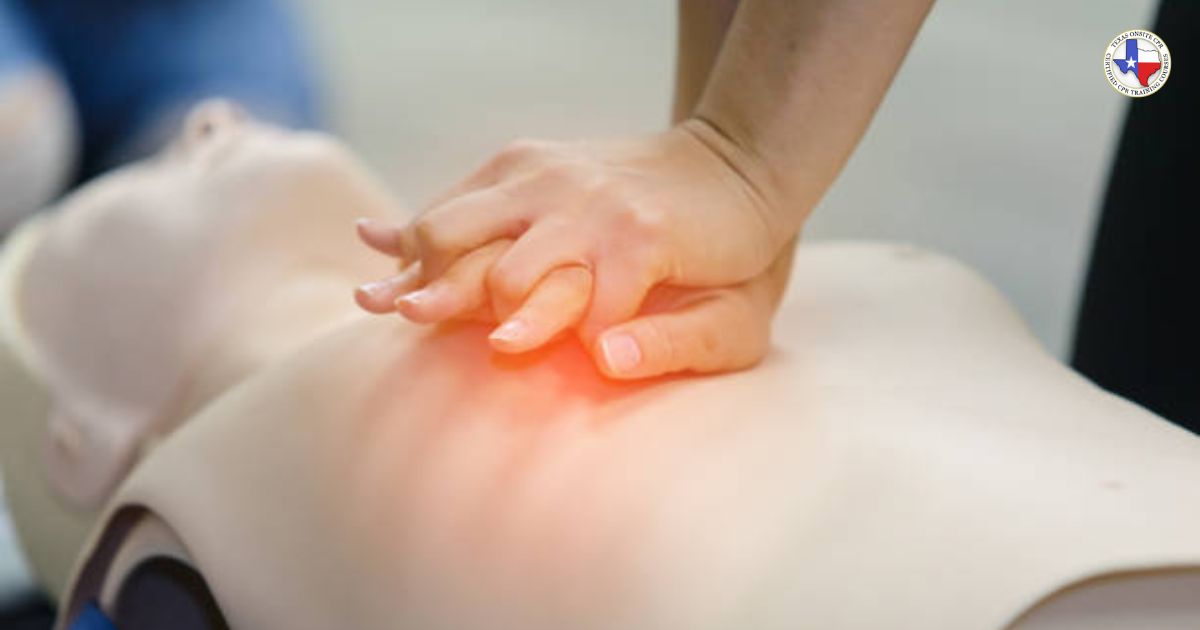
Emergencies hit fast. One moment feels normal, then someone collapses. In those first few minutes, quick action can save a life. Learning CPR gives people confidence to act instead of freezing. Choosing the right CPR class in Dallas matters just as much as learning the skill itself. Dallas offers plenty of options, yet quality varies. A good class should feel clear, hands-on, and worth your time. The goal stays simple. Walk out ready to help someone breathe again and keep blood moving until help arrives.
Understand Your Reason for Taking CPR Training
Start with your purpose. Some people need CPR for a job. Others want peace of mind at home or in public spaces. Employers in healthcare, childcare, gyms, and schools often ask for certified training. Parents, coaches, and volunteers often seek skills for personal safety.
Once your goal feels clear, picking a class gets easier. You can avoid programs that do not match your needs. A focused class saves time and stress.
Check Certification and Recognition
Not all CPR courses carry equal weight. Look for classes backed by trusted organizations such as the American Heart Association or the Red Cross. These groups follow clear standards and update lessons based on real data.
Ask if the certificate works for jobs, licenses, or schools. Some online-only courses lack hands-on practice and fail employer checks. A valid card should show clear dates and renewal terms.
Read Also: CPR Certification in Dallas: How to Get Certified Fast
Look for Hands-On Practice Time
CPR skills live in muscle memory. Reading alone does not cut it. Strong CPR classes in Dallas include hands-on training with manikins. Students should practice chest compressions, rescue breaths, and AED use.
Instructors should guide each person and correct form. Small class sizes help here. Practice builds confidence and cuts panic when real stress hits.
Review Instructor Experience and Teaching Style
A skilled instructor makes learning smoother. Look for teachers with field experience. EMTs, nurses, or trainers with emergency backgrounds often share real stories. These moments stick.
Teaching style also matters. A good instructor speaks plainly and keeps energy up. Classes should feel friendly, not stiff. Humor and real talk help people relax and learn faster.
Class Format and Schedule Flexibility
Life runs busy. A good class fits your calendar. Dallas offers weekday, weekend, and evening options. Some programs run half-day sessions. Others split training into short blocks.
Check class length before booking. CPR basics often take three to four hours. Longer courses may include first aid or advanced life support. Pick what fits your needs.
Location and Accessibility in Dallas
Dallas spreads wide. Location can affect attendance. Choose a training site close to work, school, or home. Parking access and public transit options also matter.
Some providers offer on-site group training for offices or teams. This setup saves travel time and keeps teams trained together.
Course Content Beyond Basic CPR
Some classes cover more than chest compressions. Extra skills add value. These include choking relief, AED use, infant CPR, and basic first aid.
Here is one place where a quick list helps:
- Adult, child, and infant CPR techniques
- AED operation and safety
- Choking response steps
- Scene safety basics
- Emergency response planning
A broader course suits families, teachers, and coaches. Job-specific learners may need focused content.
Cost Transparency and Value
Price varies across CPR classes in Dallas. Cheap classes may skip practice or rush lessons. High price alone does not promise quality.
Ask what the fee includes. Look for training materials, certification cards, and AED practice. Refund or reschedule rules also matter. A fair class explains costs upfront with no surprises.
Renewal and Ongoing Support
CPR skills fade over time. Most certifications last two years. Ask how renewal works. Some providers offer reminders or refresher sessions.
Support after class adds value. Access to guides, videos, or follow-up questions helps skills stay fresh.
Reviews and Word of Mouth
Online reviews offer clues. Look for comments on instructor style, class pace, and hands-on time. Patterns matter more than one loud complaint.
Word of mouth still rules. Ask coworkers, parents, or gym staff about their experience. Real stories cut through marketing noise.
Online vs. In-Person Training
Online CPR courses feel tempting. They offer speed and comfort. Yet hands-on practice often falls short. Most employers prefer in-person or blended learning.
A blended course mixes online lessons with live practice. This format suits busy schedules while keeping skill quality high. Ask providers which format they offer and who accepts it.
Safety and Class Environment
A good training space feels clean and organized. Equipment should look well-kept. Instructors should follow safety rules during practice.
Comfort matters too. Breaks, water access, and clear instructions keep energy steady. Learning CPR should feel serious but not tense.
Ask Questions Before You Book
Do not feel shy about asking details. Good providers welcome questions. Ask about class size, instructor credentials, and practice time.
Clear answers signal professionalism. Vague replies often signal rushed training.
Ready To Learn CPR Without The Hassle?
Texas OnSite CPR brings professional training straight to your workplace, school, or group location. Flexible scheduling, hands-on instruction, and experienced trainers make learning simple and practical. Book your CPR training today and make safety part of your everyday routine.
Frequently Asked Questions
Q1:How long does a CPR class usually take in Dallas?
Most CPR sessions last between three and four hours. Time depends on course type, group size, and whether first aid or AED training is included.
Q2:Are CPR certifications accepted by employers?
Yes, as long as the class follows recognized guidelines and includes hands-on practice. Employers often accept certifications aligned with national standards.
Q3:Do CPR classes cover infant and child CPR?
Several programs include adult, child, and infant CPR in one course. Always check the course outline before registering.
Q4:How often should CPR certification be renewed?
CPR certification usually stays valid for two years. Skills refreshers help keep confidence and technique sharp between renewals.
Q5:Can CPR training be done at a workplace or school?
Yes. On-site CPR training works well for offices, gyms, schools, and community groups. It saves travel time and trains teams together.
Texas Onsite CPR Blog - Return to Blog Index

Thomas McMillan
Thomas McMillan is the founder of Texas Onsite CPR, dedicated to providing life-saving CPR and first aid training across Texas. With years of experience in emergency response and certification instruction, Thomas is passionate about equipping individuals and organizations with the skills needed to respond confidently in critical situations. His commitment to quality training ensures that every student leaves prepared to make a difference when it matters most.



 FORT WORTH