Texas Onsite CPR Blog | Return to Blog Index
What Should You Know Before Enrolling in CPR Certification Classes in Dallas?
February 6, 2026
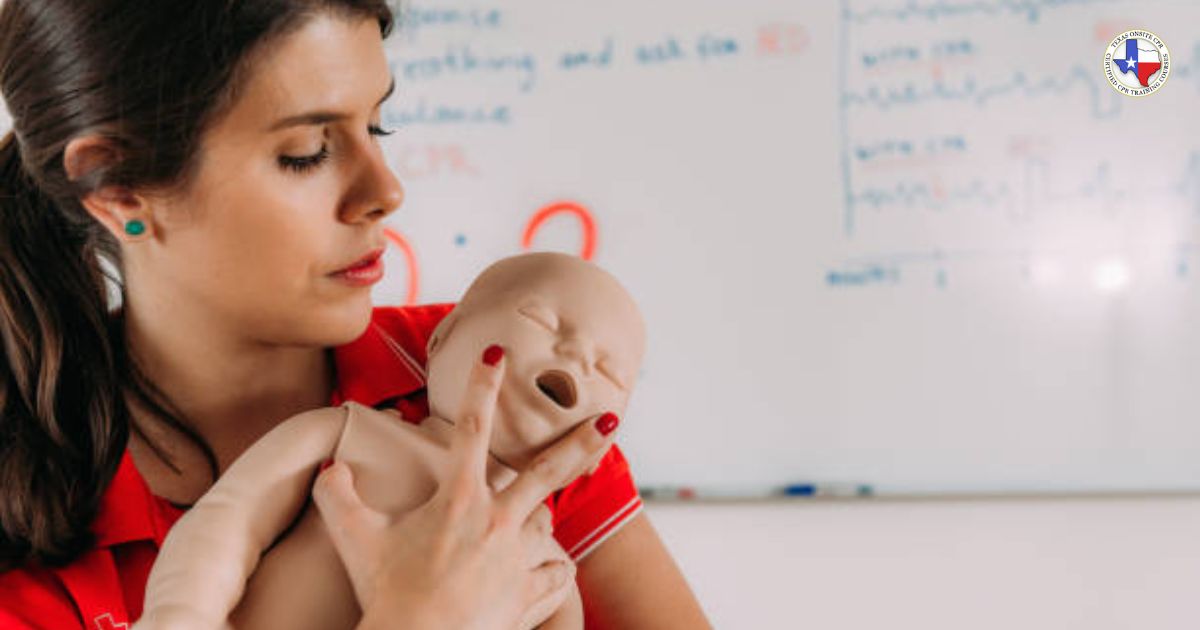
Emergencies do not wait for professionals. They happen at school events, offices, gyms, and homes. CPR training prepares regular people to act fast when every second counts. Signing up sounds simple, yet not every class fits every goal. CPR certification in Dallas comes in different formats, levels, and schedules. Picking the wrong one can waste time or leave skill gaps. Knowing what to expect before enrolling helps you choose a class that actually works for your life.
Why CPR Training Still Matters in Daily Life?
Cardiac arrest can strike anyone, anywhere. Help often arrives late. Bystanders become the first line of defense. CPR keeps blood flowing to the brain and heart until emergency crews take over.
Beyond emergencies, CPR training builds calm under pressure. People who train feel less panic and more control. Parents feel safer. Coaches feel prepared. Employees feel trusted. CPR skills do not just sit on a certificate. They show up when needed most.
Know the Different Types of CPR Classes
Dallas offers several CPR class options. Each serves a specific purpose. Understanding the differences avoids enrolling in the wrong program.
CPR for the General Public
These classes suit parents, teachers, office workers, and caregivers. Training focuses on adult, child, and infant CPR basics. AED use also gets strong attention. No medical background is needed.
CPR for Healthcare and Clinical Roles
Healthcare workers often need advanced training. These classes include team response, airway tools, and hospital-style scenarios. Most hospitals and clinics require this level for compliance.
Child and Infant Focused CPR
Parents, babysitters, and daycare staff often choose classes centered on infants and young children. Techniques differ due to body size and risk factors.
Online vs In-Person Training
Online classes cover theory but limit hands-on practice. In-person training allows real muscle memory development. Some programs mix both. Employers usually prefer hands-on proof.
Accreditation Should Never Be Optional
Not all CPR certificates carry equal weight. Accreditation determines whether employers, schools, or licensing boards accept the certification.
Before enrolling, confirm the provider follows national guidelines. Ask who issues the card and how long it remains valid. Most CPR cards expire after two years.
Skipping this step can lead to redoing the course later.
Read Also: Can CPR Classes in Fort Worth Help You Handle Real-Life Emergencies?
How Much Time Should You Expect to Commit?
CPR classes fit busy schedules, yet the time varies based on the course type.
Basic CPR classes usually last three to four hours. Healthcare-level training may take longer due to added skills and assessments.
Evening, weekend, and private group options are common in Dallas. Ask about total duration, break times, and check-in rules before registering.
Short classes should still allow enough practice time.
Skills You Will Practice During Training
Strong CPR training balances knowledge with repetition. Expect hands-on work with manikins and AED trainers. Instructors explain why each step matters, not just how to do it.
You will practice skills such as:
- Chest compressions for adults, children, and infants
- Rescue breathing using safety barriers
- AED placement and operation
- Choking relief techniques
- Scene safety and emergency response steps
These skills form the core of quality CPR courses in Dallas and help learners respond with confidence instead of panic.
Who Benefits Most From CPR Training?
CPR training fits nearly every lifestyle.
Parents want peace of mind at home. Teachers protect classrooms. Coaches oversee active environments. Office teams handle shared spaces. Fitness trainers work with physical risk daily.
Healthcare students often need CPR before entering programs. Security staff and lifeguards rely on it for daily work.
If people rely on you, CPR training makes sense.
Understanding Cost Without Cutting Corners
CPR class prices in Dallas vary based on course level and format. Basic classes cost less than healthcare training. Group sessions often lower the per-person cost.
Ask what the price includes. Some programs charge extra for certification cards or retesting. Others bundle everything upfront.
Low-cost classes may rush instruction. Balance affordability with quality instruction and proper equipment.
Instructor Quality Shapes the Experience
An experienced instructor changes everything. Clear explanations reduce stress. Corrections improve technique. Real examples make lessons stick.
Ask about the instructor’s credentials and teaching background. Healthcare experience adds insight, yet teaching skill matters just as much.
Smaller class sizes often provide better practice time.
Physical Comfort and Participation
CPR involves kneeling and firm compressions. Some learners worry about strength or mobility. Instructors can adapt techniques based on ability.
Wear comfortable clothes. Bring water. Take breaks when offered. CPR training welcomes all effort levels.
Nobody expects perfection. Progress matters more.
Language and Accessibility Options
Dallas serves a wide range of learners. Some CPR providers offer bilingual instruction or translated materials. Others provide visual aids or captioned videos.
If accessibility support is needed, ask before enrolling. Good providers handle these requests without issue.
Comfort improves learning outcomes.
Certification Renewal Rules to Know
CPR certification does not last forever. Most cards expire after two years. Some workplaces require refresher training sooner.
Renewal classes usually take less time than first-time courses. Skills refresh quickly with prior experience.
Mark renewal dates early to avoid lapses.
Location and Scheduling Considerations
Traffic can turn a short drive into a headache. Choose a class location near home or work when possible. Some providers offer on-site group training for offices or schools.
Parking availability and transit access matter, especially for evening classes. Reviews often mention location comfort and class flow.
What to Bring on Training Day
Most CPR classes require little preparation. Bring identification if requested. Wear clothes suitable for floor work.
Some providers send pre-class materials. Reviewing them ahead of time helps learning go smoothly.
Arrive early to settle in and ask questions.
Clearing Up Common CPR Myths
Some people avoid CPR training due to fear or misinformation.
CPR does not require medical expertise. Mistakes during training are normal. CPR skills improve with practice. Training focuses on safety and confidence.
Learning removes fear.
Read Also: CPR Certification in Dallas: How to Get Certified Fast
Confidence Grows With Practice
CPR training changes how people respond under stress. Clear steps replace hesitation. Practice builds calm.
Graduates often report stronger leadership during emergencies. Confidence carries into daily life as well.
Completing CPR certification in Dallas gives more than paperwork. It builds readiness.
Legal Protection and Good Samaritan Laws
Texas law supports bystander assistance. Good Samaritan protections help shield those who act in good faith.
CPR classes often explain these basics. Understanding legal protection removes hesitation during emergencies.
Helping should never feel risky.
Choosing Between CPR Courses in Dallas
Comparing CPR courses in Dallas becomes easier once goals are clear. Job requirements often dictate course type. Personal safety goals guide others.
Review class content, schedule, instructor background, and accreditation. Ask direct questions before enrolling.
A good fit feels obvious after research.
Mental Prep Makes Learning Easier
Feeling nervous before class is normal. Fear of doing something wrong fades quickly once training begins. Instructors expect beginners. Questions are welcome. Practice builds confidence fast.
Relax and focus on learning.
Schedule Now!
If your team needs reliable, hands-on CPR training, Texas OnSite CPR delivers professional instruction directly to your location. From offices and schools to gyms and healthcare settings, our on-site programs make training simple, efficient, and compliant. Schedule your CPR class today and give your team the confidence to act when it matters most.
Frequently Asked Questions
Q1:Who should enroll in CPR certification classes in Dallas?
CPR training works for parents, teachers, office staff, coaches, caregivers, and healthcare workers. Anyone responsible for others can benefit from learning how to respond during emergencies.
Q2:How long does CPR certification remain valid?
Most CPR certifications stay valid for two years. After expiration, a renewal class helps refresh skills and keep certification active.
Q3:Are CPR classes difficult for beginners?
No. Classes are designed for first-time learners. Instructors explain each step clearly and allow time for hands-on practice. No medical background is required.
Q4:Do employers accept all CPR certificates?
Employers usually require certification from accredited providers. Always confirm accreditation before enrolling to avoid retaking the course later.
Q5:Can CPR training be done at a workplace in Dallas?
Yes. Some providers offer on-site CPR training for offices, schools, gyms, and organizations. This option saves time and allows teams to train together.
Texas Onsite CPR Blog - Return to Blog Index

Thomas McMillan
Thomas McMillan is the founder of Texas Onsite CPR, dedicated to providing life-saving CPR and first aid training across Texas. With years of experience in emergency response and certification instruction, Thomas is passionate about equipping individuals and organizations with the skills needed to respond confidently in critical situations. His commitment to quality training ensures that every student leaves prepared to make a difference when it matters most.



 FORT WORTH