Texas Onsite CPR Blog | Return to Blog Index
What Are the Best CPR Classes in Dallas for Beginners?
April 9, 2026
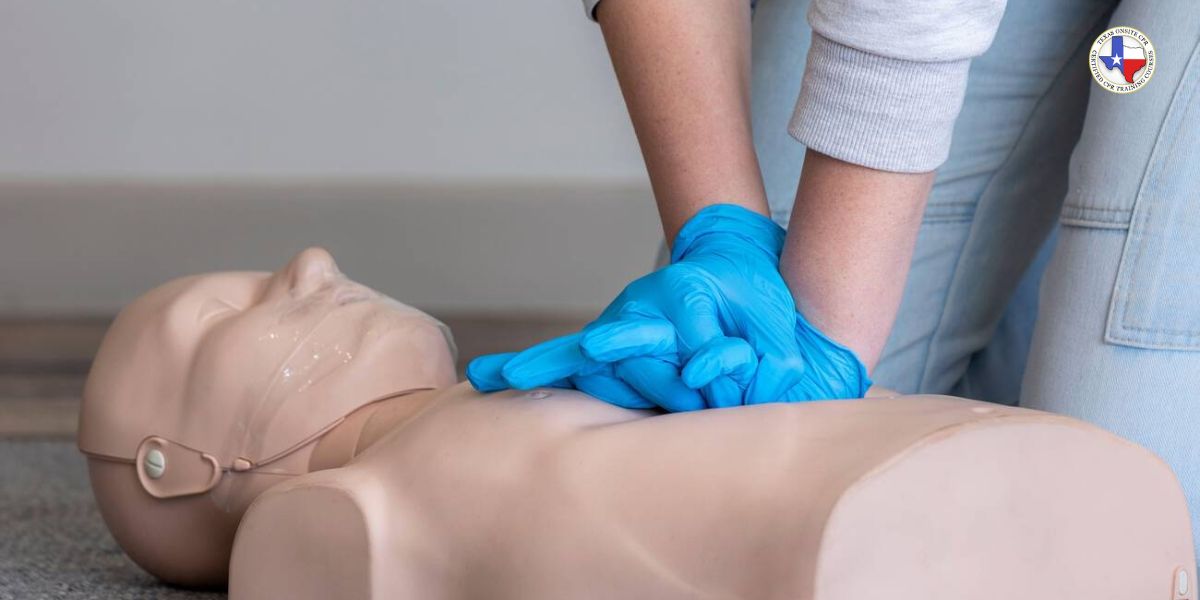
Emergencies do not send a warning. A person can stop breathing, and every second starts to count. Quick action can save a life, even before medical teams arrive. Learning CPR builds real confidence and helps people stay calm under stress. Choosing the right CPR class in Dallas can feel tricky at first, yet a clear path makes it simple. Beginners need training with hands-on practice, easy steps, and real support. Texas OnSite CPR brings all of this together with a focus on clear teaching and real-life skills.
Why CPR Training Matters for Beginners?
CPR training gives more than just knowledge. It builds the courage to act. A trained person can help during cardiac arrest, choking, or breathing issues. Without help, survival chances drop fast. With CPR, the chance of survival can double or even triple.
Beginners need a class that explains each step in plain language. Hard terms can confuse new learners. A good class breaks skills into small parts. Practice then turns those steps into muscle memory. Over time, people act without panic.
Texas OnSite CPR focuses on simple learning. Instructors guide each step and stay patient with questions. This helps beginners feel at ease from the start.
What Makes a CPR Class Beginner-Friendly?
Not all classes fit beginners. Some move too fast or skip key basics. The best programs focus on clear learning and real practice.
Here are key things to look for:
- Hands-on practice
Practice matters more than reading. Good classes let learners try chest compressions and rescue breaths using manikins. This builds real skill. - Simple teaching style
Instructors should use easy words and real-life examples. Clear steps help learners remember what to do in a crisis. - Certified training programs
Look for classes approved by groups like the American Heart Association. Certification adds value and trust. - Flexible scheduling
Busy people need options. Weekend or evening classes help more people attend. - Small group size
Smaller groups mean more attention. Each learner gets time to practice and ask questions.
Texas OnSite CPR meets these needs. Our programs focus on clear teaching, hands-on practice, and flexible learning.
Read Also: Is First Aid Training Mandatory for Employees in Texas?
Types of CPR Classes Available in Dallas
Dallas offers several types of CPR training. Each one fits different needs. Beginners should choose based on their goal and comfort level.
- Basic CPR and AED Training
This course teaches chest compressions, rescue breaths, and AED use. It suits beginners with no prior experience. - First Aid with CPR
This option adds skills for cuts, burns, and choking. It works well for parents, teachers, and caregivers. - BLS for Healthcare Providers
This class is for medical staff. It includes team-based response and advanced techniques. - Group and Onsite Training
Texas OnSite CPR offers training at offices or group locations. This saves travel time and helps teams learn together.
Choosing the right type depends on personal needs. Beginners should start with basic CPR or CPR with first aid.
Why Texas OnSite CPR Stands Out?
Texas OnSite CPR brings a fresh and practical approach to training. Each session feels interactive, not dull or rushed.
Our onsite training model helps companies and groups. Instead of sending staff to a training center, instructors come to the location. This saves time and keeps the group engaged.
Another strong point is our experienced instructors. They guide learners with patience and real-world insight. Students do not feel lost or rushed. Each step gets proper attention.
We also offer group training programs. Businesses, schools, and community groups can arrange sessions for their teams. This helps create a safer environment for everyone.
People searching for a CPR class in Dallas will find flexible options with Texas OnSite CPR. Our courses fit both individuals and organizations.
What to Expect During Your First Class?
Walking into a CPR class for the first time can feel a bit nerve-racking. Knowing what to expect helps ease the mind. Classes usually start with a short introduction. Instructors explain why CPR matters and how it saves lives. Then, they show the steps in a clear and simple way.
Learners practice chest compressions on training manikins. They also learn how to give rescue breaths and use an AED device. Practice sessions help build comfort and confidence.
At the end, students take a short test or skills check. Passing leads to a certification card. This card proves the learner can perform CPR in real situations.
With Texas OnSite CPR, classes stay interactive. Learners get time to ask questions and practice without pressure.
How to Choose the Right CPR Class in Dallas?
Picking the right class depends on a few simple factors. A good choice leads to better learning and confidence. Think about your goal first. Do you need CPR for work, family safety, or personal knowledge? This helps narrow down options.
Next, check the class format. Some people prefer in-person training for hands-on practice. Others may want group sessions for convenience.
Look at the instructor’s experience. Skilled trainers explain steps clearly and keep the class engaging.
Also, consider location and timing. Texas OnSite CPR offers onsite sessions, which save travel time and make learning easier.
Anyone searching for CPR classes in Dallas should compare these factors before booking.
Benefits of Learning with Texas OnSite CPR
Training with the right provider makes a big difference. Texas OnSite CPR focuses on practical learning and real results.
Our programs help learners stay calm in emergencies. Confidence grows with each practice session. Skills become second nature over time.
We also offer group training for companies and teams. This helps workplaces stay prepared for emergencies. A trained team can respond faster and more effectively.
For beginners looking for a CPR class in Dallas, this approach feels simple, clear, and effective.
How CPR Skills Help in Real Life?
CPR skills are not just for medical workers. Anyone can use them in daily life. Emergencies can happen at home, work, or in public places. A trained person can step in before help arrives. Quick action can save a life. Even basic knowledge can make a huge difference.
Parents, teachers, and office staff all benefit from CPR training. It builds a sense of responsibility and readiness.
Choosing trusted CPR classes in Dallas ensures learners gain skills they can use in real situations.
Get Started with CPR Training Today
Learning CPR is a smart step toward safety and confidence. Texas OnSite CPR makes the process simple and effective. Classes focus on hands-on training, clear teaching, and real-world skills.
If you want to protect your family, team, or community, now is the right time to act. Book a session with Texas OnSite CPR and gain skills that can save lives.
FAQs
Q1:How long does a CPR class take for beginners?
Most beginner CPR classes take about two to four hours. Time depends on the course type and group size. Sessions include both learning and hands-on practice. Texas OnSite CPR keeps classes focused and engaging, so learners stay involved and understand each step clearly.
Q2:Do I need any prior experience to join a CPR class?
No prior experience is needed for beginner classes. Instructors start with basic steps and guide learners through each skill. Texas OnSite CPR designs sessions for first-time learners, making sure everyone feels comfortable and confident by the end of the training.
Q3:Will I receive a certification after completing the class?
Yes, most CPR classes provide a certification card after successful completion. This shows you have learned the required skills. Texas OnSite CPR offers recognized certifications, which can be useful for jobs, workplaces, and personal safety needs.
Q4:Can CPR training be done at my workplace?
Yes, onsite training is available for companies and groups. Texas OnSite CPR brings instructors to your location. This setup saves time and allows teams to learn together. It also helps create a safer work environment with trained staff ready to act.
Q5:How often should I renew my CPR certification
CPR certification usually needs renewal every two years. Skills can fade without practice, so regular training helps keep knowledge fresh. Texas OnSite CPR offers renewal courses to help learners stay updated and confident in handling emergencies.
Texas Onsite CPR Blog - Return to Blog Index

Thomas McMillan
Thomas McMillan is the founder of Texas Onsite CPR, dedicated to providing life-saving CPR and first aid training across Texas. With years of experience in emergency response and certification instruction, Thomas is passionate about equipping individuals and organizations with the skills needed to respond confidently in critical situations. His commitment to quality training ensures that every student leaves prepared to make a difference when it matters most.



 FORT WORTH