Texas Onsite CPR Blog | Return to Blog Index
Is Corporate CPR Training in Fort Worth a Legal Requirement or a Smart Safety Move?
January 11, 2026
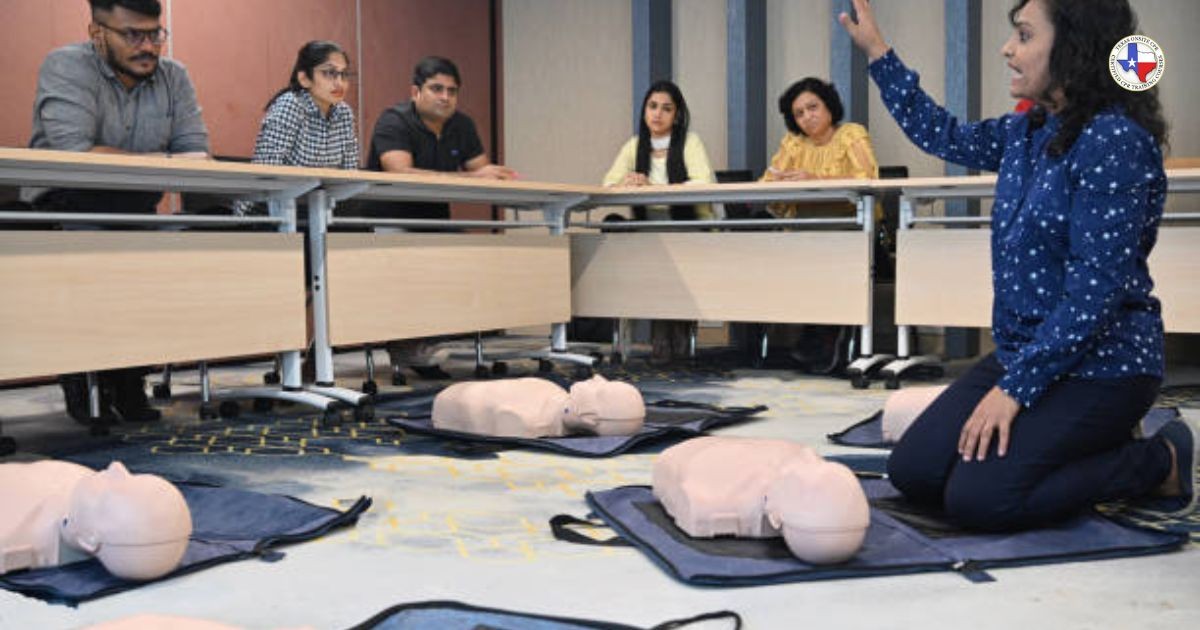
Workplaces feel safe until something goes wrong. A sudden collapse. A choking scare. A cardiac arrest during a normal workday. Moments like these flip calm into chaos fast. Quick action saves lives, and waiting for help wastes time. Many employers now view corporate CPR training in Fort Worth as more than a checkbox. It feels like common sense. Still, business owners often ask a fair question.
Does law require CPR training, or is it a smart move for safety and trust? The answer sits between rules, risk, and real life. Texas OnSite CPR helps clear the fog.
CPR Training and Texas Law: What the Rules Say
Texas law does not force all businesses to train every worker in CPR. No blanket rule exists for private offices, shops, or warehouses. Still, many roles face clear rules.
Certain fields must follow strict standards. Childcare centers, schools, gyms, healthcare sites, and senior care homes fall under state or federal oversight. Many rules demand staff trained in CPR and basic life support. OSHA also steps in. OSHA expects employers to reduce known risks. Sudden cardiac arrest counts as a real workplace risk.
Courts look at reason and care. If a job site holds risk and no trained help exists, trouble follows. Lawsuits often ask one question. Did the employer act with care? CPR training helps answer yes.
Read Also: How to Get Certified as a CPR Instructor: A Complete Guide
Legal Duty vs Duty of Care
No rule does not mean no duty. Texas employers carry a duty of care. Employees expect safe spaces. Visitors trust businesses to plan for emergencies.
CPR training shows intent. It proves that the company thought ahead. Insurance firms notice this step. Claims often drop after training programs begin. Premiums may follow.
So while the law may stay quiet, risk speaks loudly.
High Risk Workplaces in Fort Worth
Some Fort Worth jobs face greater danger. Think factories, warehouses, gyms, construction firms, and large offices. Heavy tools, long hours, and stress raise risk.
Public-facing spaces see higher foot traffic. More people mean higher odds of a medical crisis. CPR skills help staff step up before medics arrive.
Texas OnSite CPR works with many local firms facing these risks daily. On-site sessions fit real schedules and real floors, not classrooms far away.
Why CPR Training Makes Business Sense?
CPR training builds more than skills. It builds confidence. Trained staff act faster. Panic fades. Teamwork improves.
Benefits include:
- Faster response during cardiac events
- Lower injury impact
- Strong safety culture
- Better morale
- Trust from clients and staff
Training costs less than downtime or legal trouble. Many owners say the choice feels easy after training day ends. Corporate CPR training in Fort Worth turns fear into action. People stop freezing. Hands move. Help begins.
The Role of Basic Life Support
CPR fits into a wider skill set called Basic Life Support. BLS covers CPR, AED use, and choking response. These skills match real events.
Texas OnSite CPR designs sessions based on job needs. Office teams focus on adult CPR and AED use. Childcare teams add pediatric care.
Many learners use a basic life support study guide in Texas to prep before class. Guides help build comfort and memory. Texas OnSite CPR offers support materials aligned with local standards.
Onsite Training vs Offsite Classes
Off-site classes pull staff away from work. Travel eats time. Schedules clash. On-site training fixes these pain points.
Texas OnSite CPR brings gear, trainers, and materials to the workplace. Staff train in familiar rooms. Drills feel real.
On-site sessions allow:
- Group training at once
- Custom content per role
- Minimal downtime
- Better focus
Many Fort Worth firms now prefer this model for ease and value.
CPR Training and AED Programs
CPR works best with AED access. AEDs guide users step by step. Voice prompts lead the way. Many Fort Worth sites install AEDs after training.
Texas OnSite CPR helps with AED placement advice. Training includes hands-on AED use. Confidence grows fast once teams practice.
AED laws in Texas protect users acting in good faith. Good Samaritan laws reduce the fear of legal risk.
Building a Safety First Culture
Training sends a message. People matter. Safety matters. Staff feel valued. Safety culture spreads. Workers watch out for each other. Near misses drop. Reporting improves.
New hire notice. Clients notice. Culture builds trust.
CPR Training and Compliance Audits
Some contracts demand CPR-trained staff. Many bids ask for safety proof. Training certificates help close deals.
Texas OnSite CPR issues valid certifications after each session. Records stay organized. Audits feel less stressful.
Choosing the Right CPR Training Partner
Not all training feels equal. Quality matters.
Look for:
- Certified instructors
- Real-world focus
- Flexible schedules
- Local knowledge
- Clear support
Texas OnSite CPR meets these needs across Fort Worth. Trainers know local risks and laws. Sessions stay clear, friendly, and hands-on.
Read Also: CPR Certification in Dallas: How to Get Certified Fast
How Often Should Teams Renew Training?
Skills fade. Muscle memory needs to be refreshed. Most CPR certifications last two years. High-risk roles benefit from refreshers sooner. Many firms schedule yearly drills. Short refreshers keep skills sharp.
Texas OnSite CPR offers renewals and refresh options tailored to business needs.
CPR Training as a Smart Safety Move
So, is CPR training required by law? Sometimes. Often, no. Is it smart? Yes. Training saves lives. It reduces risk. It builds trust. It supports growth. Smart leaders act before trouble hits. CPR training stands as a simple step with strong returns.
Take the Next Step with Texas OnSite CPR
Emergencies do not send invites. Prepared teams respond faster and safer. Texas OnSite CPR helps Fort Worth businesses build strong response skills through corporate CPR training in Fort Worth tailored to real workplaces.
Protect your people. Build trust. Reduce risk. Reach out to Texas OnSite CPR today and schedule onsite training built for your team.
FAQs
Q1:Is CPR training mandatory for all Texas businesses?
No statewide rule exists for all industries. Some fields face strict rules. Others follow duty of care standards.
Q2:How long does corporate CPR training take?
Most onsite sessions last two to four hours. Time varies by group size and content.
Q3:Do employees need medical backgrounds to learn CPR?
No. CPR training fits all skill levels. Clear steps guide learners.
Q4:Can CPR training happen during work hours?
Yes. Many Fort Worth firms train teams onsite during shifts to avoid downtime.
Q5:How does a basic life support study guide in Texas help learners?
Guides help staff review steps before and after class. Memory improves. Confidence grows.
Texas Onsite CPR Blog - Return to Blog Index

Thomas McMillan
Thomas McMillan is the founder of Texas Onsite CPR, dedicated to providing life-saving CPR and first aid training across Texas. With years of experience in emergency response and certification instruction, Thomas is passionate about equipping individuals and organizations with the skills needed to respond confidently in critical situations. His commitment to quality training ensures that every student leaves prepared to make a difference when it matters most.



 FORT WORTH