Texas Onsite CPR Blog | Return to Blog Index
How to Choose the Best CPR First Aid Training Company in Texas
March 20, 2026
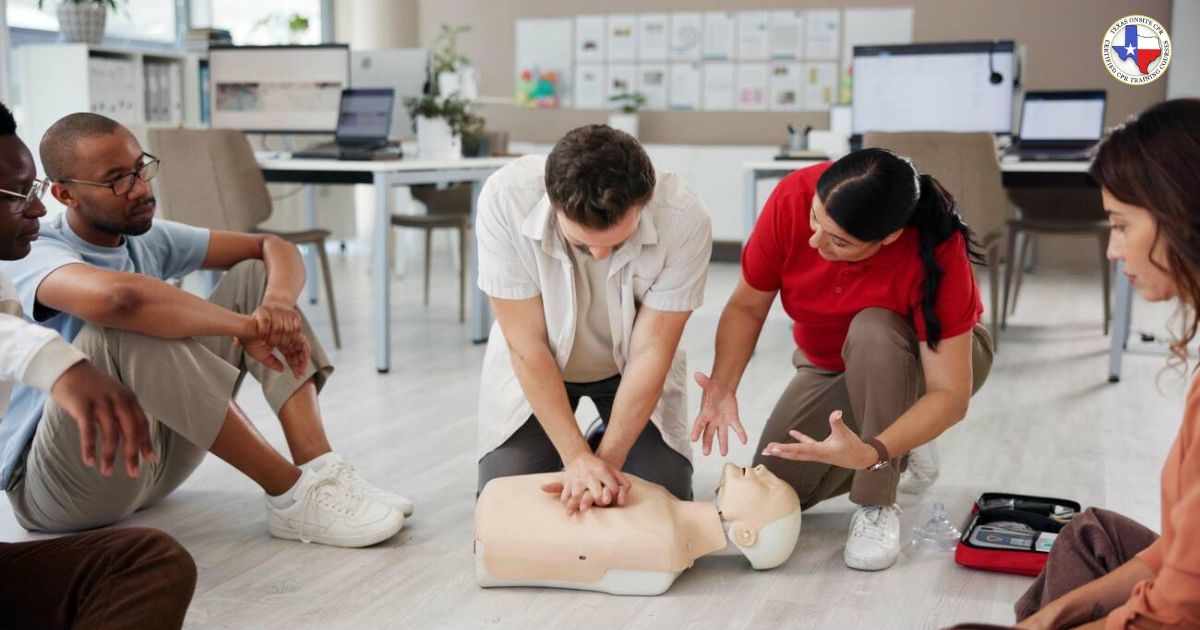
A good class builds real skill. Learners press the chest, use an AED, and help a hurt person. A trusted CPR first aid training company in Texas helps people learn these life-saving moves with care and practice.
Texas has many training groups. Yet not all offer strong lessons. Some rush the class. Some skip real practice. So people must choose with care. A solid training team gives clear lessons, safe tools, and real support. Let’s walk through how to find the right one.
Why CPR Training Matters in Texas?
Emergencies Happen Every Day
Homes, parks, schools, and work sites see health scares each day. Heart issues, choking, burns, and cuts can occur without warning. A trained person nearby can act fast and help save a life before medical help arrives.
Fast Help Saves Lives
CPR keeps blood moving when the heart stops. Oxygen still reaches the brain and vital organs. Each minute matters. Early CPR can double survival chances. Proper training gives people the skill to act with speed and calm.
Confidence Comes With Practice
Fear often stops people from helping. Training removes fear. Clear steps and hands-on drills help learners trust their skills. A strong class builds calm helpers who know what to do.
Check Instructor Certification and Experience
Trainers Should Have Medical Knowledge
Good instructors often come from health fields. Nurses, EMTs, firefighters, and paramedics bring real-life insight. They have faced emergencies and know how to guide learners through real situations.
Real Experience Improves Learning
Stories from real rescue events help students understand each step. Trainers explain what works and what mistakes to avoid. This kind of learning stays in the mind longer.
Up-to-Date Training Methods
Health groups update CPR steps often. A strong training team keeps lessons fresh and correct. A trusted CPR first aid training company Texas always follows current safety standards and teaching methods.
Texas OnSite CPR focuses on real skill growth. Trainers guide each learner through practice with patience and clear instruction.
Look for Hands-On Practice
Practice Builds Muscle Memory
CPR needs physical action. Learners must press the chest with the right depth and rhythm. Manikins help people feel the correct pressure. Practice turns knowledge into skill.
AED Use Should Be Part of Training
Automated External Defibrillators sit in schools, gyms, and offices across Texas. These devices guide users through voice prompts. Yet fear stops some people from using them.
Classes offering first aid, CPR & AED training in Texas teach each step of AED use. Students open the device, place pads, and follow prompts during drills.
Real Life Scenarios Help Learning
Good classes simulate real events. One student calls for help. Another begins CPR. Another brings the AED. These drills help people work as a team in a crisis.
Ensure the Course Includes Complete Safety Skills
First Aid Basics
Cuts, burns, and sprains happen often. First aid lessons teach wound care, bleeding control, and shock support. These skills help people act before medical help arrives.
CPR for Different Age Groups
CPR steps change for adults, kids, and infants. A good class teaches proper hand position and breathing technique for each age group.
Choking and Emergency Response
Choking scares many families. Training teaches safe back blows and abdominal thrusts. These simple moves can clear airways and save a life.
Programs offering first aid, CPR & AED training in Texas cover all these key skills in one course.
Read Also: What Should You Look for When Choosing a CPR Class in Dallas?
Choose Flexible Training Options
Onsite Training for Workplaces
Companies often train teams together. On-site classes save travel time and allow staff to learn in a familiar place. Offices, gyms, and schools benefit from group sessions.
Weekend and Group Sessions
Busy people need flexible options. Weekend classes help parents, teachers, and workers learn without missing work hours.
Private Classes for Organizations
Sports teams, childcare centers, and factories often request private sessions. These classes focus on safety risks common in each setting.
Texas OnSite CPR offers on-site programs across Texas. Teams learn in their own space with tools and guidance from skilled trainers.
Check Reviews and Community Reputation
Student Feedback Matters
Online reviews reveal how a class feels. Look for praise about clear teaching, patient trainers, and strong practice time. These signs show quality training.
Local Trust Is a Good Sign
Schools, fitness centers, and offices often recommend reliable trainers. Word spreads fast in communities.
A respected CPR first aid training company in Texas earns trust through strong teaching and real support.
Long-Term Training Programs
Some companies return each year for staff recertification. This repeat trust shows good service and strong results.
Why Texas OnSite CPR Stands Out?
Skilled and Friendly Instructors
Texas OnSite CPR trainers bring real medical experience. They guide each learner step by step. No rush. No confusion.
Practical Learning Focus
Students spend real time practicing CPR and AED skills. Each learner works with training tools and drills. Confidence grows through action.
Convenient Onsite Classes
Texas OnSite CPR travels across the state. Businesses, schools, and groups receive training at their location. This saves time and keeps learning simple.
Programs include first aid, CPR & AED training in Texas, giving learners a full set of life-saving skills.
Ready to build life-saving skills?
Choosing the right CPR training team matters more than most people think. Strong lessons build skill, calm, and courage. In a real emergency, trained hands may save a friend, coworker, or family member.
Texas OnSite CPR delivers clear instruction, real drills, and convenient onsite classes across the state. People leave class ready to act with confidence during critical moments.
Connect with Texas OnSite CPR today and schedule your team training. A short class today could help save a life tomorrow.
FAQs
Q1:How long does CPR certification last in Texas?
CPR certification in Texas usually lasts two years. After this period, a renewal class helps learners refresh skills and stay updated with new CPR guidelines. Recertification keeps people confident and prepared to respond during emergencies at home, work, or public places.
Q2:Who should take CPR and first aid training?
Parents, teachers, coaches, office staff, and healthcare workers all benefit from CPR and first aid training. Anyone can face an emergency. Learning these skills prepares people to help family members, coworkers, or strangers during sudden health crises.
Q3:Does CPR training include AED use?
Yes. Most modern courses include AED instruction. Students learn how to open the device, place pads, and follow voice prompts. This training helps people use AED machines with confidence during cardiac emergencies in schools, gyms, workplaces, and public areas.
Q4:How long does a CPR and first aid class take?
Most CPR and first aid classes take four to six hours. Some programs finish within one day. Time depends on class size and practice sessions. Hands-on drills take a large part of the session, so students build real confidence.
Q5:Can businesses arrange on-site CPR training?
Yes. Many training companies offer on-site classes for offices, schools, gyms, and construction teams. On-site sessions allow groups to learn together without travel. This setup helps organizations train more staff and build a safer workplace environment.
Texas Onsite CPR Blog - Return to Blog Index

Thomas McMillan
Thomas McMillan is the founder of Texas Onsite CPR, dedicated to providing life-saving CPR and first aid training across Texas. With years of experience in emergency response and certification instruction, Thomas is passionate about equipping individuals and organizations with the skills needed to respond confidently in critical situations. His commitment to quality training ensures that every student leaves prepared to make a difference when it matters most.



 FORT WORTH