Texas Onsite CPR Blog | Return to Blog Index
How Can CPR Classes in Denton Turn Ordinary People Into Lifesavers?
December 18, 2025
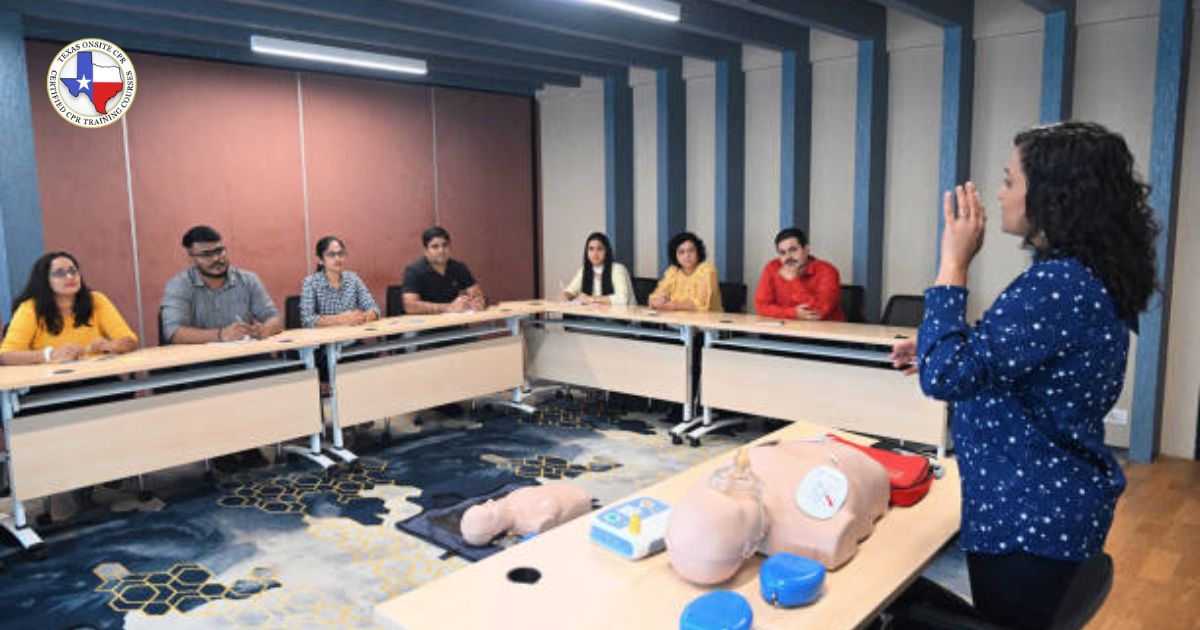
Life can change very fast. One minute feels normal. The next minute feels scary. Someone may fall down. Breathing may stop. People may feel afraid and unsure. In moments like these, quick action matters more than job titles or roles. At Texas Onsite CPR, we train everyday people to stay calm and help. CPR Classes in Denton give real skills people can use at home, at work, or in public places when lives need help right away.
We believe lifesavers look like everyone else. Lifesavers feel ready. Training turns fear into focus. Practice helps us stay calm. Simple steps can save lives.
Why CPR Skills Matter in Daily Life
Emergencies do not wait. Heart problems, choking, or sudden sickness can happen anywhere. Homes, schools, offices, parks, and stores all face risk. Friends, family, coworkers, and strangers may need help at any time. CPR helps fill the time before medical help arrives. Emergency teams move fast, but travel still takes minutes. The brain needs air to stay safe. CPR keeps air and blood moving. AED use helps restart the heart. We teach people how to act before fear takes control.
Read Also: Who Should Take CPR Classes and How Often Should You Renew Your Certification?
Ordinary People Can Save Lives
Doctors and nurses save lives every day. Ordinary people can save lives too. Training helps turn caring into action. We see parents, teachers, coaches, office teams, church groups, and helpers grow confident during class. Fear gets smaller. Hands learn the right moves. Minds stay clear. Practice helps the body remember. When stress hits, trained people act without panic.
What CPR Training Really Teaches
CPR training teaches more than pushing on the chest. We teach awareness, teamwork, and clear thinking. People learn how to spot danger signs early. Someone may collapse. Breathing may sound strange. A person may not wake up. We teach quick checks and clear steps.
Hands-on drills show how hard and how fast to push. AED training shows how machines give clear voice steps. Choking help works for adults, kids, and babies. Every lesson feels useful. Every skill feels easy to remember.
How Training Builds Confidence under Pressure
Fear can stop people from acting. Training teaches how to move forward anyway.
Safe pressure is used during class. Timers run. Sounds play. Practice feels real. People learn how to breathe, stay focused, and take action.
Confidence grows quickly. Participants leave class knowing how to help instead of waiting for someone else. Calm responders help bring calm to everyone around them.
Why Onsite CPR Training Works Best
Learning feels better in places we know. On-site training turns normal spaces into learning areas. We bring all the tools with us. Manikins, AED trainers, and supplies come along. We practice near desks, halls, gyms, classrooms, and meeting rooms. Questions feel easy to ask. Scenarios feel real. Memory stays strong. On-site training saves time. Groups learn together. Schedules stay simple.
Who Benefits From CPR Classes
CPR training works for everyone. Age does not block learning. Background does not stop skill. We train workplaces, schools, churches, gyms, daycares, sports teams, event staff, and community groups. Families benefit too. Anywhere people gather holds some risk. Prepared groups help lower danger.
Local Training Makes Skills Feel Real
Local experience matters. Each place feels different. Room sizes change. Crowd sizes change. We train across Texas, including CPR classes in Frisco. This experience helps us understand many settings. Lessons from different places help every class. Local examples help people connect. Training feels real and useful.
CPR Training Supports Safer Communities
Prepared people help build safer spaces. Skills travel with people. Someone trained at work may help in a store. A parent trained at school may help at a game. Skills follow us everywhere. Communities feel stronger when more people know how to help.
AED Access and CPR Go Hand in Hand
AED machines save lives. Many public places already have them. People often feel scared to use them. Training removes fear. AEDs speak and guide each step. The machines adjust on their own. Mistakes stay rare. We teach teams how to find AEDs fast and use them with confidence.
CPR Training Reduces Liability and Risk
Prepared groups have a lower risk. Trained responders move with calm focus. Response time improves. Results improve. Organizations show care by offering training. Trust grows. Confidence spreads. Preparation protects people and places.
How Texas Onsite CPR Keeps Training Simple
Simple steps work best during stress. We avoid hard words. We teach clear actions that people remember. Our instructors bring real experience. Teaching feels kind and supportive. Everyone practices. Everyone joins in. Questions are welcome. Learning stays comfortable.
How Practice Helps CPR Skills Stick
Skills can fade without practice. Regular training keeps memory strong. We suggest refreshers from time to time. Short practice builds confidence. Practice helps speed and accuracy. Readiness works best as a habit.
Read Also: What Does Pediatric First Aid and CPR Training in Texas Include?
Why Waiting Increases Risk
Delays create gaps in safety. Groups grow. New faces appear. Spaces change. Emergency plans lose strength over time. Acting sooner reduces exposure. Training builds readiness before problems arise. Early preparation keeps people safer in the future.
Expanding Skills across Regions
Experience gained through training in Frisco strengthens response skills across other locations. Lessons learned from Arlington sessions add depth and confidence. Shared knowledge helps groups respond faster and work better together. Strong networks improve outcomes and save lives.
How CPR Training Builds a Ready Mindset
- We learn to act instead of waiting.
- We take responsibility during emergencies.
- We stay calm when stress rises.
- We think clearly while others feel unsure.
- We feel ready to help when it matters.
Real Stories Inspire Action
We hear stories often. A parent helps a child breathe. A coworker helps a teammate. A helper steps in during a public emergency. Ordinary people create amazing results. Training makes these moments possible.
FAQs
Q1:How long does CPR training take?
Most classes last two to three hours based on group size and skills.
Q2:Do participants need medical experience?
No experience needed. We teach every step clearly.
Q3:Do we provide equipment during training?
Yes. We bring manikins, AED trainers, and supplies.
Q4:Can small groups take on-site CPR classes?
Yes. Small groups often enjoy focused learning.
Q5:Do you train outside Frisco?
Yes. We provide training in Frisco and also offer sessions in Arlington, along with on-site CPR training across Texas to support groups in multiple locations.
Take the First Step toward Saving Lives
Preparation changes results. Skills build confidence. Confidence saves lives. Give people tools they can trust. Build spaces ready for emergencies. Book onsite CPR training with Texas Onsite CPR today. Stay ready. Stay calm. Save lives.
Texas Onsite CPR Blog - Return to Blog Index

Thomas McMillan
Thomas McMillan is the founder of Texas Onsite CPR, dedicated to providing life-saving CPR and first aid training across Texas. With years of experience in emergency response and certification instruction, Thomas is passionate about equipping individuals and organizations with the skills needed to respond confidently in critical situations. His commitment to quality training ensures that every student leaves prepared to make a difference when it matters most.



 FORT WORTH