Lives can flip fast. One moment stays calm, the next moment brings chaos. For doctors, nurses, EMTs, and clinic staff, response time matters. CPR classes for healthcare providers in Texas exist to meet this pressure. These programs train people who face emergencies as part of their daily work. Early lessons shape muscle memory, focus, and teamwork. Skills learned here guide action during real code, not simple drills.
Basic Life Support courses help the public step in before help arrives. Healthcare CPR prepares professionals to lead care from the first second. Texas training rules stay strict, and course depth reflects hospital floors, busy ERs, and field calls. Knowing how these paths differ helps learners pick the right training and stay ready.
Training Designed for Clinical Reality
Healthcare CPR courses place learners inside medical settings. Training mirrors hospitals, urgent care centers, nursing homes, and ambulances. Instructors build scenes with noise, time limits, and team roles. Learners practice while others assist, record, and rotate.
Public BLS classes focus on solo response. A bystander acts alone until EMS arrives. Healthcare CPR assumes help is close. Clear commands and role swaps matter. Texas programs stress closed-loop communication, hand signals, and fast checks.
Courses also follow current care rules. Content aligns with national guidelines and Texas care standards. Updates flow into classes fast, which keeps skills current.
A Broader and Deeper Skill Set
Healthcare CPR covers more ground. Learners practice airway control, oxygen support, and bag-mask use. AED work goes deeper, with rhythm checks and safety steps in crowded rooms.
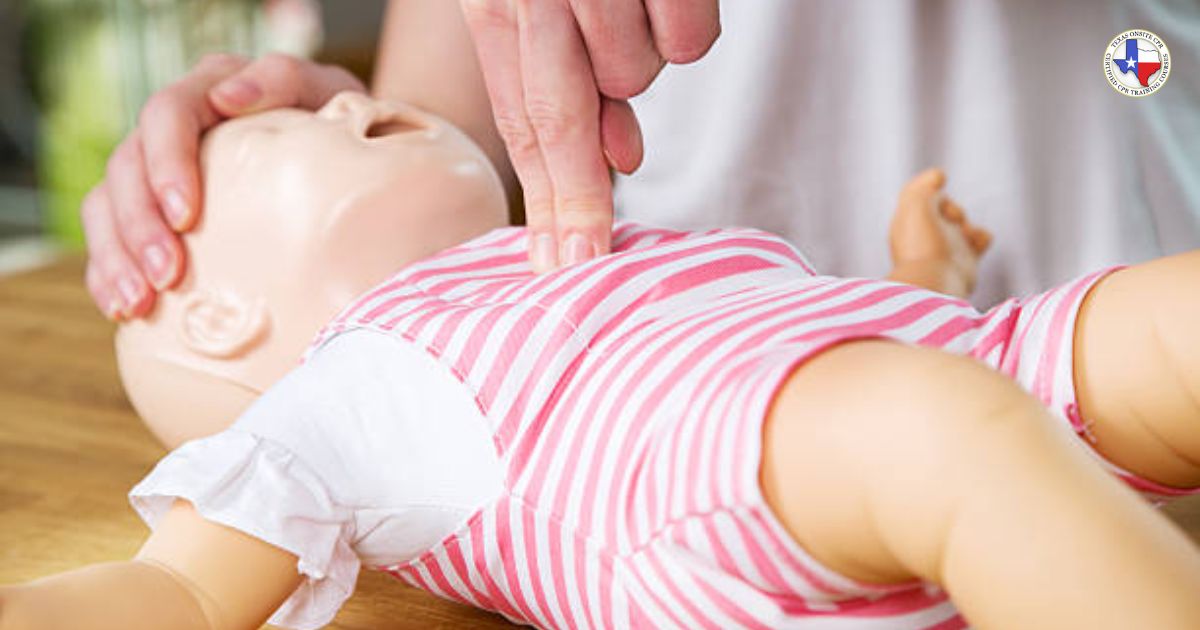
Hands-on time fills most sessions. Instructors guide posture, depth, and pace. Small fixes can change patient outcomes. Learners repeat drills until the form feels natural.
Key elements often included in healthcare CPR include:
- Team response and leadership drills
- Advanced airway support practice
- Use of medical-grade AED units
- Adult, child, and infant care focus
- Code flow and role clarity
Basic Life Support sticks to core CPR and AED steps. Both paths save lives. One path prepares learners for layered care.
Faster Response and Tighter Accuracy
Healthcare workers act under pressure. Patients rely on trained hands. CPR training for providers sets high standards for speed and accuracy. Instructors watch every move and call out errors.
Texas instructors stress chest recoil, hand position, and rhythm. Learners hear real-time feedback. Corrections happen fast. This builds habits that hold under stress.
Public courses allow more margin. Confidence remains the main goal. Healthcare CPR demands precision.
Texas Rules Shape the Learning Path
Texas sets firm rules for healthcare training. Medical boards and state agencies guide course content. Instructors often hold licenses and field experience. Learners benefit from real stories and local insight.
Courses may include regional EMS protocols. This helps learners align with how teams work across the state. Recert cycles run shorter for healthcare staff. Skills fade without use, so refreshers stay key.
Public CPR courses follow national rules yet lack this local depth. Provider training ties learning to daily work.
Read Also: What Makes CPR Training in Frisco Different for Healthcare and Non-Healthcare Professionals?
Testing Goes Beyond Simple Skills
Healthcare CPR testing runs deeper than pass or fail. Learners face written checks and hands-on exams. Tests measure judgment, not memory alone.
Scenario testing plays a big role. Learners manage mock codes from start to finish. Instructors watch leadership, calm, and flow. Peer review adds value. Teams spot gaps and fix them together.
Basic Life Support testing stays simple. Learners show CPR and AED use. Passing shows readiness to help in public spaces.
Choosing the Right Course for the Role
Course choice depends on the job and duty level. Clinical staff need provider CPR. Office workers and caregivers gain value from BLS.
CPR classes in Texas offer both tracks. Training centers help learners match course level to work needs. Picking the right class saves time and builds real skill.
Healthcare CPR suits:
- Nurses and physicians
- EMTs and paramedics
- Dental and clinic staff
- Hospital support teams
BLS suits:
- Teachers and coaches
- Childcare workers
- Parents and family caregivers
- Office safety teams
Confidence Built Through Repetition
Repetition shapes calm. Healthcare CPR courses drill skills until moves feel natural. Learners gain trust in their hands and voice. Panic fades as structure takes over.
Team drills teach respect and trust. Each role matters. Clear calls reduce chaos. This mindset carries into real patient care.
Public CPR builds confidence, too, yet the scope stays narrow. Provider courses push deeper and wider.
Career Value and Workplace Trust
Healthcare CPR adds weight to a resume. Employers expect current cards. Training shows care for patient safety and team standards.
Hospitals and clinics track certifications closely. Lapses can pause work or delay hiring. Staying current avoids stress.
CPR classes in Texas help healthcare workers meet employer rules and state needs. Training also supports better patient outcomes and safer teams.
How Instructors Make a Difference?
Instructor quality shapes the course. Healthcare CPR instructors often work in the field. They share real cases, common mistakes, and smart tips.
Learners ask questions and get clear answers. This builds trust and sharpens skills. Public courses may rely on general trainers. Provider courses lean on clinical insight.
Learning Environment Matters
Healthcare CPR classes use realistic tools. Manikins offer feedback on depth and pace. AED trainers mirror real devices. Some programs use video review to spot errors.
Class size stays small. This allows personal coaching. Learners get more hands-on time and feedback.
Public classes often run larger. Time per learner stays limited. Provider courses invest more time per person.
Schedule Your Next Training Session
If your healthcare team needs reliable, hands-on training, Texas OnSite CPR offers flexible onsite programs built for real-world medical settings. Our instructors bring practical experience, small-group focus, and up-to-date standards directly to your workplace.
Schedule your next training session with Texas OnSite CPR and keep your staff confident, compliant, and ready when every second matters.
Read Also: Common Mistakes to Avoid When Following the BLS Algorithm
FAQs
Q1:Who should enroll in CPR classes for healthcare providers in Texas?
These courses suit nurses, doctors, EMTs, dental staff, home health aides, and clinical support teams. Anyone working in a medical or patient-care role benefits from provider-level CPR training.
Q2:How long does a healthcare CPR certification remain valid in Texas?
Most certifications stay valid for two years. Some employers may require renewal sooner based on internal safety policies or job roles.
Q3:Are healthcare CPR courses harder than Basic Life Support classes?
Yes, the level of difficulty is higher. Provider courses focus on team response, advanced tools, and fast decision-making in clinical settings.
Q4:Do CPR classes in Texas follow state-specific guidelines?
Yes, healthcare CPR courses align with national standards and Texas healthcare regulations. Training often reflects real workplace protocols used across the state.
Q5:Can CPR training be completed onsite for healthcare teams?
Yes, many providers offer on-site training for hospitals, clinics, and offices. On-site sessions save time and allow teams to train together in familiar environments.


BLS Provider CPR Classes for Individuals at our 3 Locations

George Brown
All of our staff are now trained in CPR. We now have the highest safety standards in our industry in Texas.
~ G-tech Industrial
Texas OnSite CPR
Text or Call: 817-992-0585
Email: cprtom@mac.com
Contact Us Texas OnSite CPR © 2026.Nancy Stetson
To have our training onSite made it so much easier to get all of our employees trained in CPR.
~ Buffalo Ranch