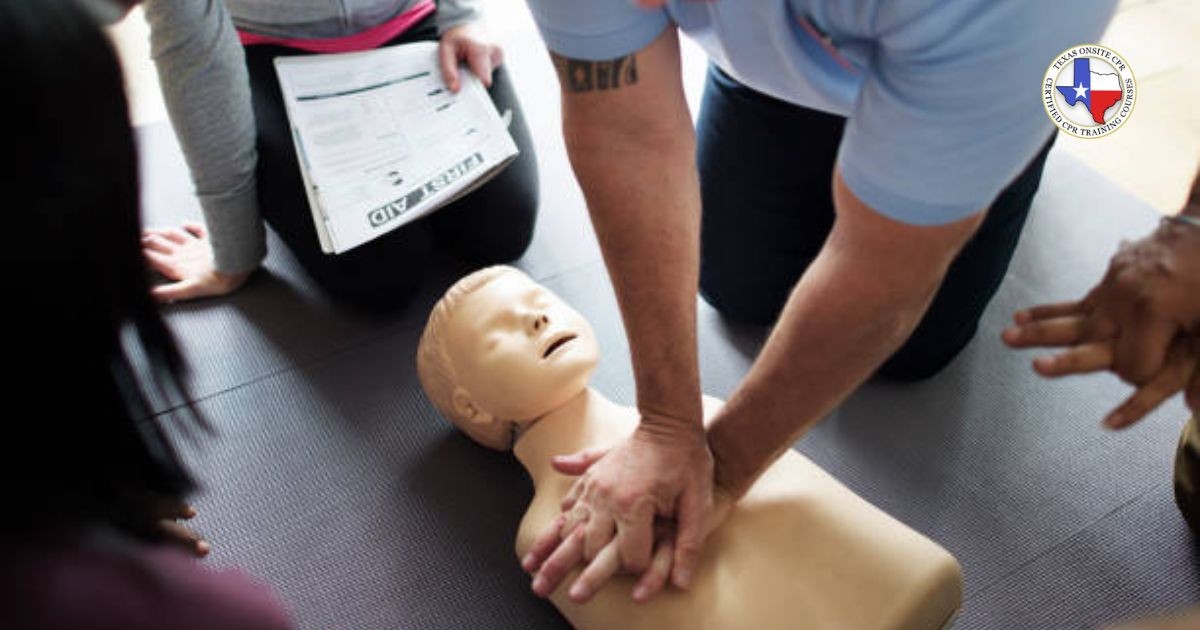
Learning CPR is not a box to tick. It is a life skill. People sign up with different goals, stress levels, and work demands. Texas OnSite CPR knows this well. Local classes feel personal, hands-on, and built for real people. CPR training in Frisco stands out because it respects how different learners think and work.
Nurses need speed and skill. Parents need calm and clarity. Office teams need simple steps they can recall fast. One size never fits all. Frisco programs focus on real scenes, local needs, and flexible schedules. Learners walk out ready to act, not just pass a test.
Why Frisco Learners Expect More From CPR Classes?
Frisco keeps growing. New clinics, schools, gyms, and offices open often. With growth comes need. CPR classes here match local pace and pressure.
People want training that fits busy lives. Long drives and packed rooms feel outdated. Texas OnSite CPR brings classes to worksites and community spaces. Learning feels easier when it comes to you.
Instructors know local risks too. Sports injuries, heat issues, and family care come up a lot. Lessons cover these topics with clear demos and plain talk.
Read Also: CPR Certification in Dallas: How to Get Certified Fast
Different Goals Call for Different Training Paths
Healthcare and non-healthcare learners share one goal. Save lives. Their paths look different.
Healthcare pros deal with codes, alarms, and fast calls. They need sharp skills and smooth teamwork. Non-healthcare learners need simple steps they can recall under stress.
Texas OnSite CPR builds paths for both groups. Each class sticks to learner needs, not filler.
CPR Training for Healthcare Professionals
Doctors, nurses, EMTs, and clinic staff face high stakes. Training must feel real.
Classes focus on:
- Team roles during resuscitation
- Airway control and bag mask use
- High-quality chest compressions
- AED use in clinical settings
- Fast decisions during chaos
Hands-on drills take center stage. Learners practice with feedback tools and manikins. Instructors watch form and timing. Tips come in plain words.
Courses align with current guidelines. Renewal options fit tight schedules. Many healthcare teams choose onsite sessions to train together. Team flow improves when everyone learns side by side.
CPR Training for Non-Healthcare Professionals
Parents, teachers, coaches, and office teams often feel nervous at first. Texas OnSite CPR sets a calm tone.
Lessons break steps into small pieces. Learners practice until moves feel natural. No rush. No pressure.
Topics include:
- Adult, child, and infant CPR
- AED use in public places
- Choking response
- Scene safety
- Calling for help with confidence
Real talk helps. Instructors share tips, stories, and quick memory tricks. Slang and simple phrases stick better during stress. Learners leave feeling ready, not scared.
Many non-healthcare learners need proof for work. Certificates meet job rules and local needs.
Onsite Training Changes the Game
Travel eats time. Parking adds stress. Texas OnSite CPR flips the script.
On-site training means:
- Familiar space
- Less downtime
- Better focus
- Higher attendance
Teams learn together. Questions flow more easily. Instructors adjust the pace based on the room.
Businesses, schools, gyms, and churches across Frisco use this option. It feels efficient and human.
Flexible CPR Courses Built for Real Schedules
Life runs fast. Training should keep up.
Texas OnSite CPR offers weekday, evening, and weekend options. Group and private sessions remain available. Renewal classes move more quickly for experienced learners.
Many choose CPR courses in Frisco because the schedules feel fair. No long waits. No packed rooms. Just solid training when needed.
Read Also: Why Should Everyone Be Trained to Give CPR?
Teaching Style Makes All the Difference
Slides alone do not save lives. Practice does.
Instructors keep talking short. Demos come first. Learners practice often. Mistakes turn into lessons, not shame.
Simple words beat fancy terms. Clear cues help memory. Repetition builds muscle recall.
This style works for teens, adults, and seasoned pros. Learning feels light yet serious.
Certification With Purpose
A card means little without skill.
Texas OnSite CPR focuses on confidence. Learners know why each step matters. Skills stick longer.
Courses follow recognized standards. Certificates work for jobs, schools, and licenses. Renewal reminders help learners stay current.
Many return year after year. Trust grows with each class.
Community Focus Sets Frisco Apart
Local training builds local strength.
Texas OnSite CPR serves Frisco neighborhoods, offices, and families. Instructors care about the people in front of them. Feedback shapes future classes.
Community events and group sessions raise awareness. More trained hands mean safer spaces.
Learners feel part of something bigger.
Choosing the Right CPR Course in Frisco
Picking a class should feel simple.
Ask these questions:
- Who is the class for
- Where will training happen
- How much practice time exists
- What certification comes with it
Texas OnSite CPR helps guide choices. Staff listen first, then suggest the right fit.
Both healthcare and non-healthcare learners find value here. Skill level does not matter. Willingness to learn does.
Ready to Get Trained?
Lives depend on quick action. Training builds calm and skill when seconds count. Texas OnSite CPR makes learning simple, local, and real. If you want trusted CPR training or flexible CPR courses in Frisco, now is a good time to act. Book a class, bring your team, and gain skills you will carry for life.
FAQs
Q1:How long do CPR classes take?
Most classes run two to four hours. Renewal courses often take less time.
Q2:Do non-healthcare learners need prior experience?
No experience needed. Classes start from the basics and move at a steady pace.
Q3:Are onsite classes available for small teams?
Yes. Texas OnSite CPR offers on-site training for groups of many sizes.
Q4:Do courses include AED training?
Yes. AED use forms part of both healthcare and non-healthcare classes.
Q5:How often should CPR certification be renewed?
Most certifications renew every two years. Renewal helps skills stay sharp.


BLS Provider CPR Classes for Individuals at our 3 Locations

George Brown
All of our staff are now trained in CPR. We now have the highest safety standards in our industry in Texas.
~ G-tech Industrial
Texas OnSite CPR
Text or Call: 817-992-0585
Email: info@texasonsitecpr.com
Contact Us Texas OnSite CPR © 2026.Nancy Stetson
To have our training onSite made it so much easier to get all of our employees trained in CPR.
~ Buffalo Ranch